
Ownership Drives: “We” members organize Ownership drives twice a day on Sundays and holidays to hand over ownership of trees planted on dividers to nearby establishments. Members gather in groups of 20-30, wear T-shirts and placards for identification, and urge people to sustain and take ownership of the trees. If needed, “We” volunteers provide active support to care for the trees for 6-8 months. Watering requirements are minimal (two liters per tree every 10 days).
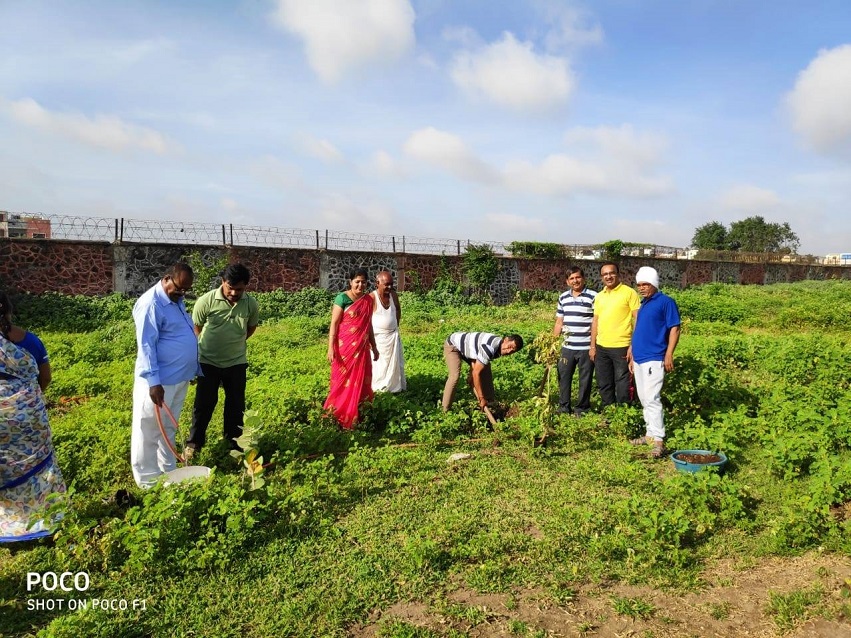
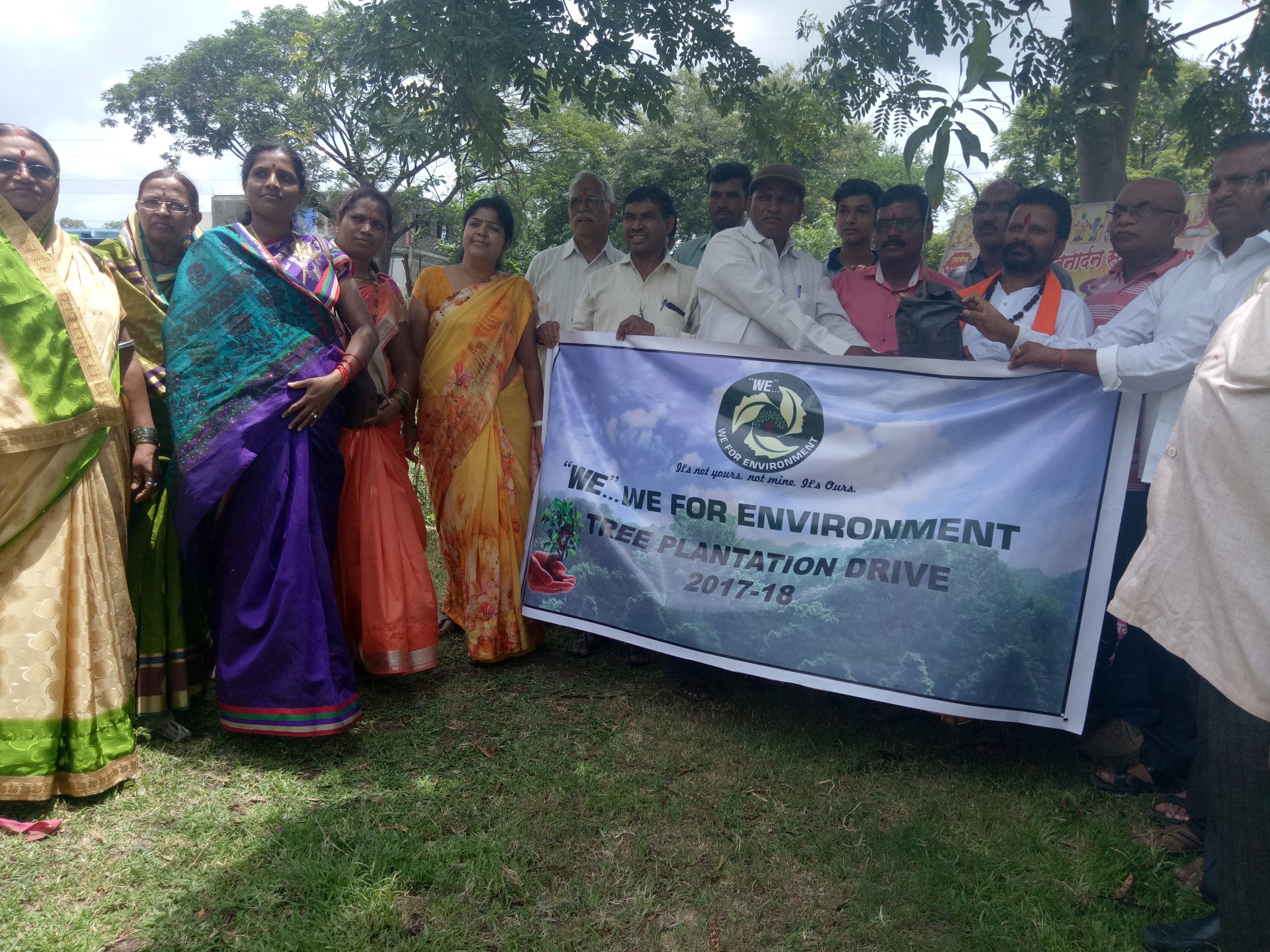
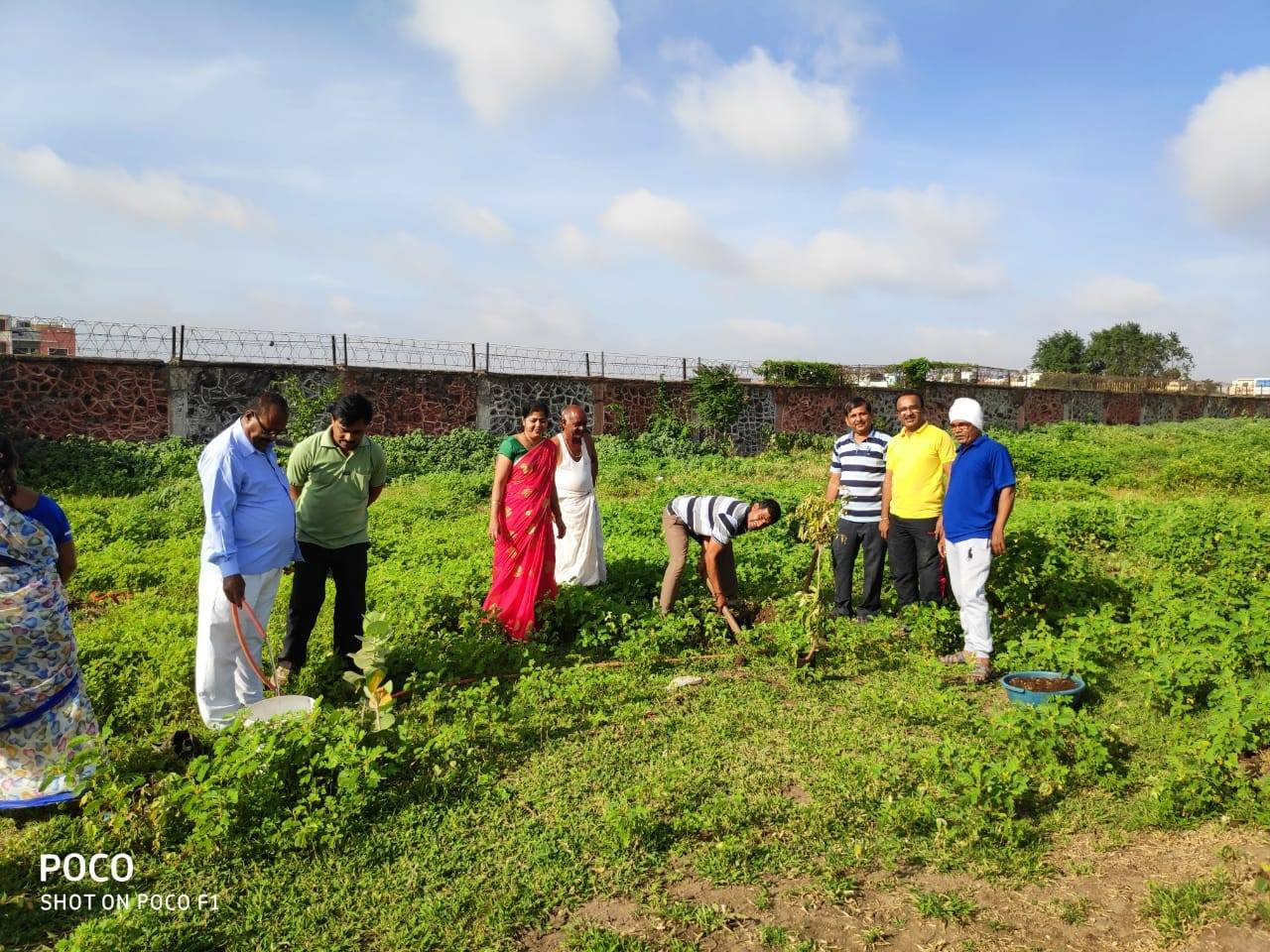
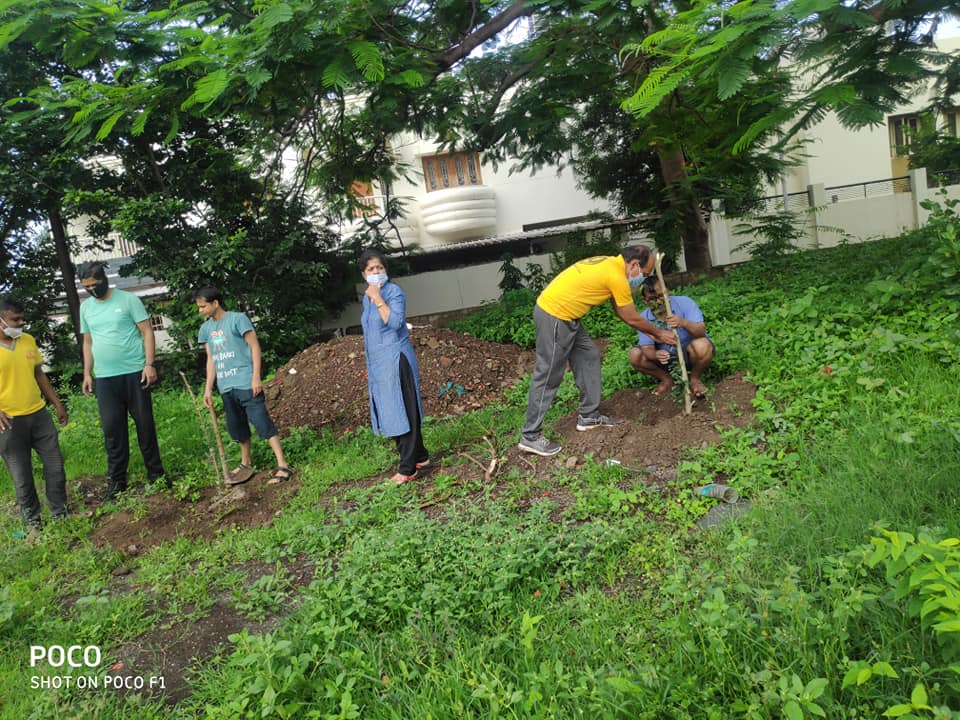
This way, “WE’ is able to focus on larger issues of spread of greenery and spreads a positive green message in the society with enhanced public participation. We also save money on maintenance (tankers etc) as people take the ownership voluntarily. Most importantly more people would get associated with us and would help us to carry our message more prominently. We also come to know about the locations, where no ownership has been created and we have to take care of the trees at our own strength.
Such drives have yielded positive results and people were/are maintaining trees at some locations, when we did such an activity in summer. But after the coming of monsoon, people have become relaxed and are required to be re-charged. Core Group discusses and decides further course of action from time to time.
o Tree Parenthood: We prioritize one-year ownership of planted trees, involving owners in planting and motivating maintenance. For trees without owners, we have a one-year survival plan. Local groups receive support for sustainability and members advance to the core group based on commitment.
o Ownership Models: Residents, volunteers, shopkeepers, and hotel owners staying near the trees planted are encouraged to take ownership and maintain them.
o Composting: Members can be encouraged for home composting (for those who have space) using drum model, so that this compost can be used for the trees planted at the group.
o Watering Strategies: Flood watering is ineffective and replaced by drip irrigation that saves up to 60% of water. WE developed a cost-effective system using inverted waste water bottles fixed near the tree to provide water directly to the roots. Adequate mulching support is provided to conserve water.
o Effective Tree Selection: Select effective varieties of trees depending on location and ownership. Plant drought-resistant indigenous varieties on dividers and both sides of roads, and Indian varieties like Jamun, Mango, and Tamarind in close corridors like stadiums and colonies.
o Drip Irrigation: Use drip irrigation as the best and cheapest model wherever human labor is not possible and water availability is possible. Lay the drip underground to avoid damage from squirrels, rodents, and human activity.
o Donate A Tanker Model: Outsource watering of trees to tanker owners at certain locations under supervision, with a “Donate A Tanker” concept where members donate the expense of at least one tanker for watering trees. Seek donations from donors and large groups to contribute at least one monthly expense of tankers to sustain trees until the next monsoon.
A 5000-liter tanker is sufficient for a distance of 1.5 to 2 Kms and costs 450-500 approximately. Our sustenance members accompany the tanker are get the trees watered. Trees require water for two times a month till March. We work out the tentative number of tankers required per month at all the locations.
Out of the extended WE group, we seek donors ask them to contribute at least one tanker for sustenance of trees. Large groups (Giants, Lions, Doctors, Guru, CMIA etc) contribute for at least 1 monthly expense of tankers. They even send tankers directly with payment to the vendor. This way, we are able to carry on tree sustenance till the next monsoon.